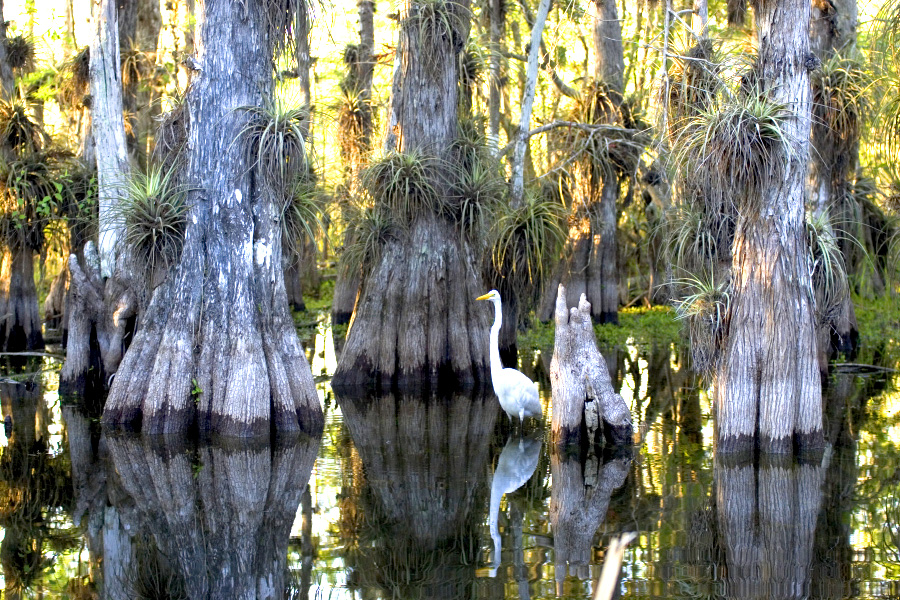
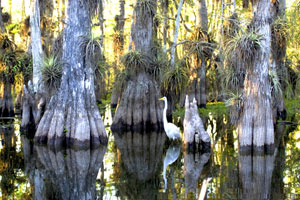
 Great Egret in the Everglades Photo by NPS
Everglades National Park is the largest remaining subtropical wilderness in the contiguous United States and has extensive fresh water and salt water areas, open sawgrass prairies, and mangrove forests. There is an abundance of wildlife in the Everglades that include rare and colorful birds, crocodiles, alligators, manatee, and the Florida panther to name a few.
Everglades National Park was established December 6, 1947. The Everglades National Park was designated a Biosphere Reserve in 1976 and a World Heritage Site on October 24, 1979.
Total Acreage: 1,508,537, Federal: 1,505,975, Nonfederal: 2,562, Water area: 625,000.
Read the rest of this entry »
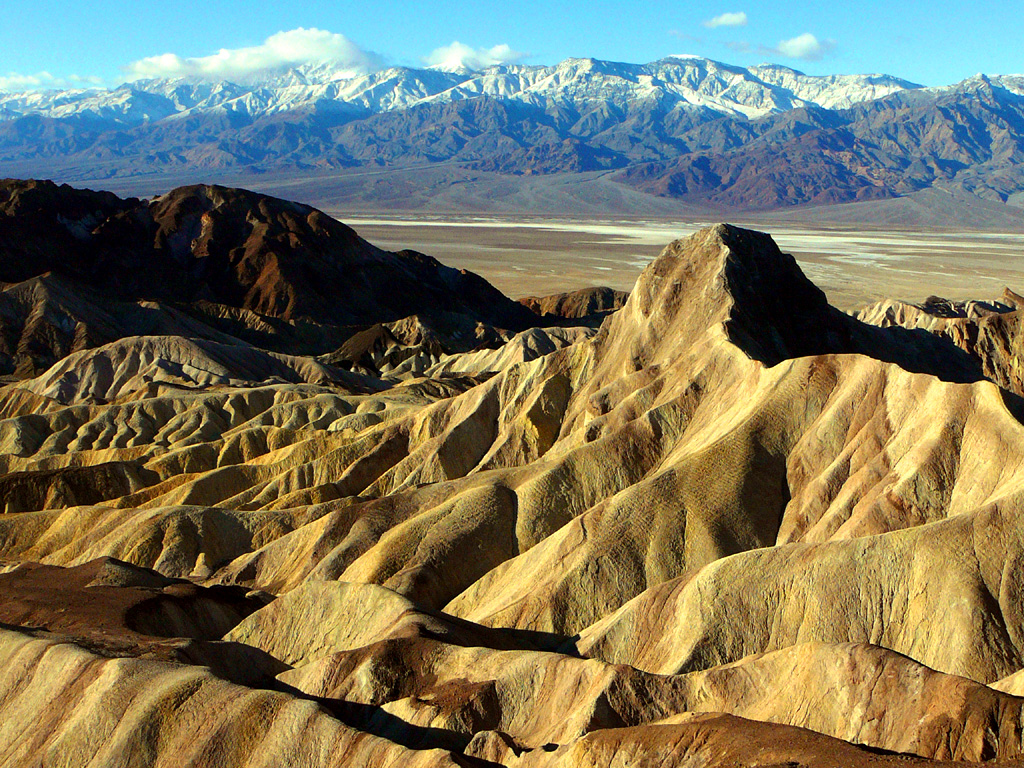
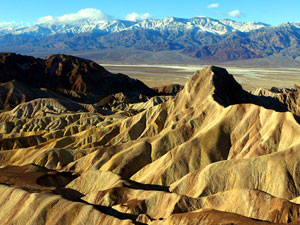 Death Valley National Park Picture by NPS
Death Valley National Park is a large desert, nearly surrounded by high mountains, and contains the lowest point in the Western Hemisphere at 282 feet below sea level at a place called Badwater. Death Valley includes Scotty’s Castle, the grandiose home of a famous prospector; remnants of gold and borax mining and the famous Furnace Creek Inn.
Death Valley was proclaimed Death Valley National Monument on February 11, 1933; and redesignated Death Valley National Park on October 31, 1994. Death Valley was designated a Biosphere Reserve in 1984.
Total Acreage: 3,372,401, Federal: 3,323,771, Nonfederal: 48,630.
Read the rest of this entry »
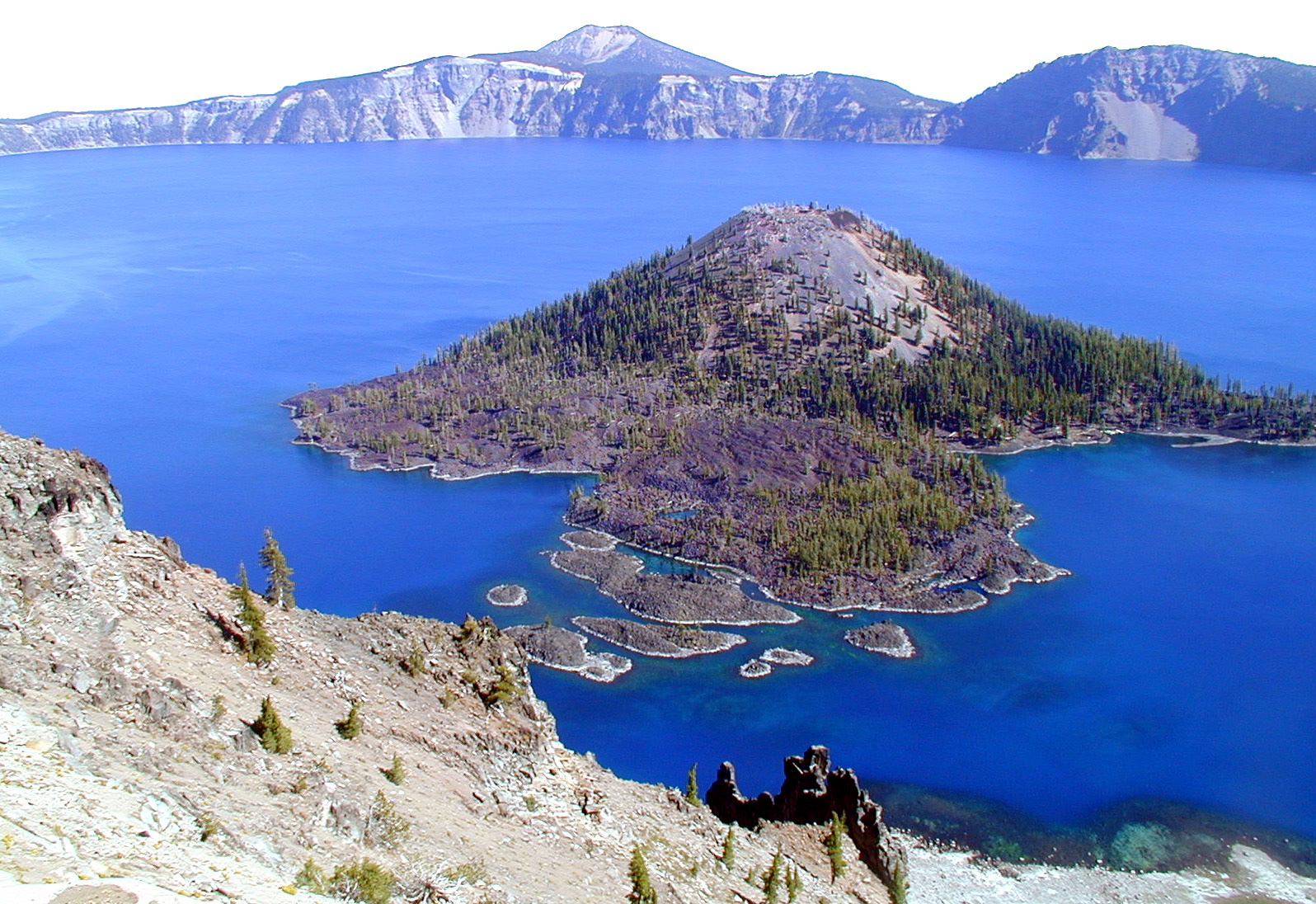
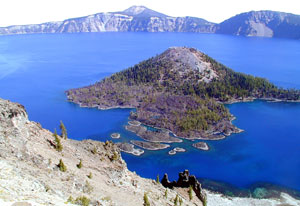 Wizard Island, Crater Lake NP Picture by NPS
Crater Lake National Park protects Crater Lake which lies within the caldera of Mt. Mazama, a volcano of the Cascade Range that erupted about 7,700 years ago. The mountain collapsed, forming a caldera. Its greatest depth of 1,932 feet makes it the deepest lake in the United States.
Crater Lake NP was established May 22, 1902.
Total Acreage: 183,224, Federal: 183,223, Nonfederal: 0.28.
Read the rest of this entry »
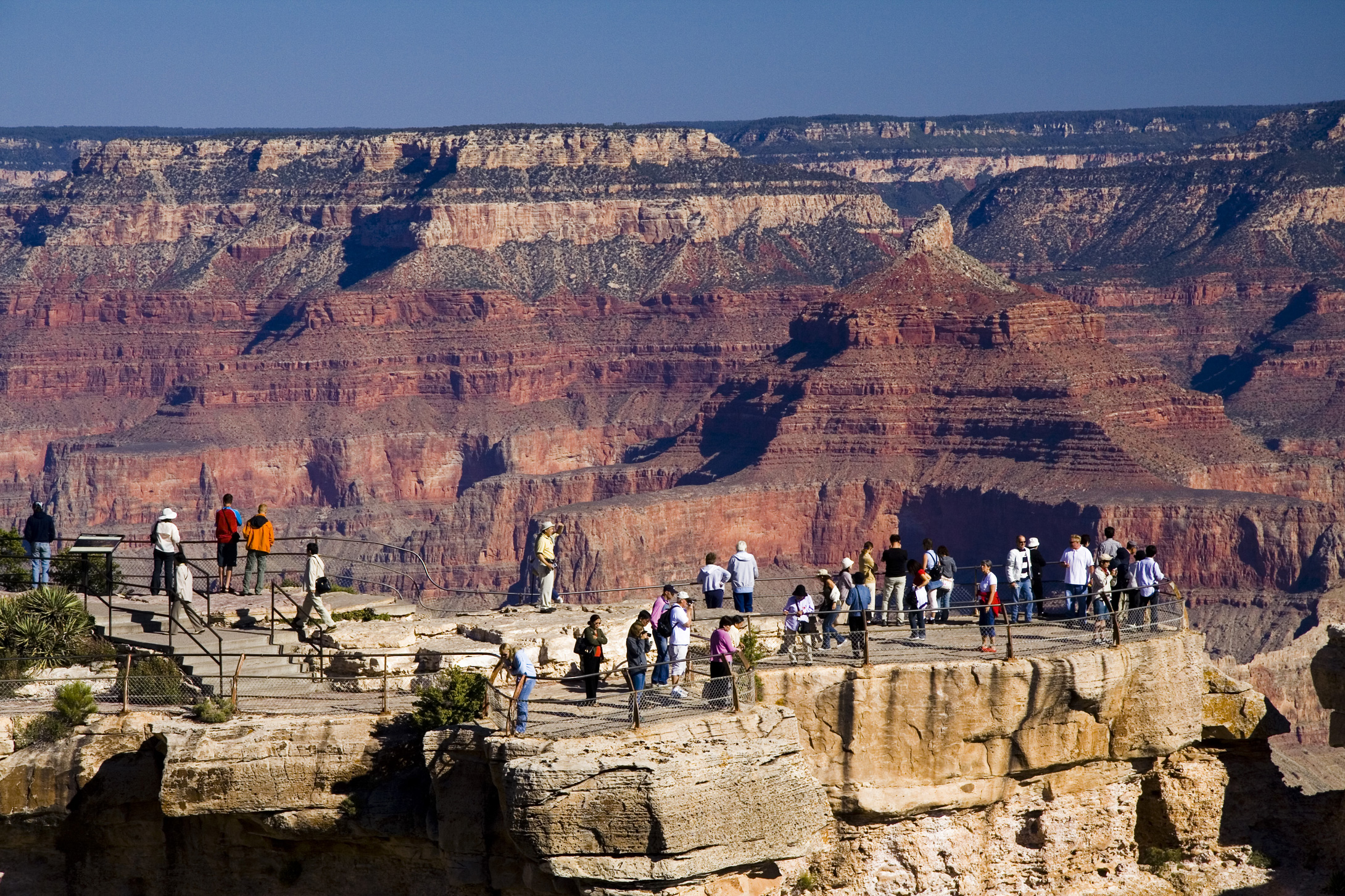
 Mather Point at Grand Canyon National Park © Jim Roth
Grand Canyon National Park is located entirely in northern Arizona, the park encompasses 277 miles of the Colorado River and adjacent uplands. One of the most spectacular examples of erosion anywhere in the world, the Grand Canyon is unmatched in the incomparable vistas it offers to visitors on the rim. The Grand Canyon runs from the southern terminus of Glen Canyon Recreation Area, which at at Lees Ferry, to the eastern boundary of Lake Mead National Recreation Area. The Grand Canyon became a National Park February 26, 1919 and was made a World Heritage Site in 1979.
Read the rest of this entry »
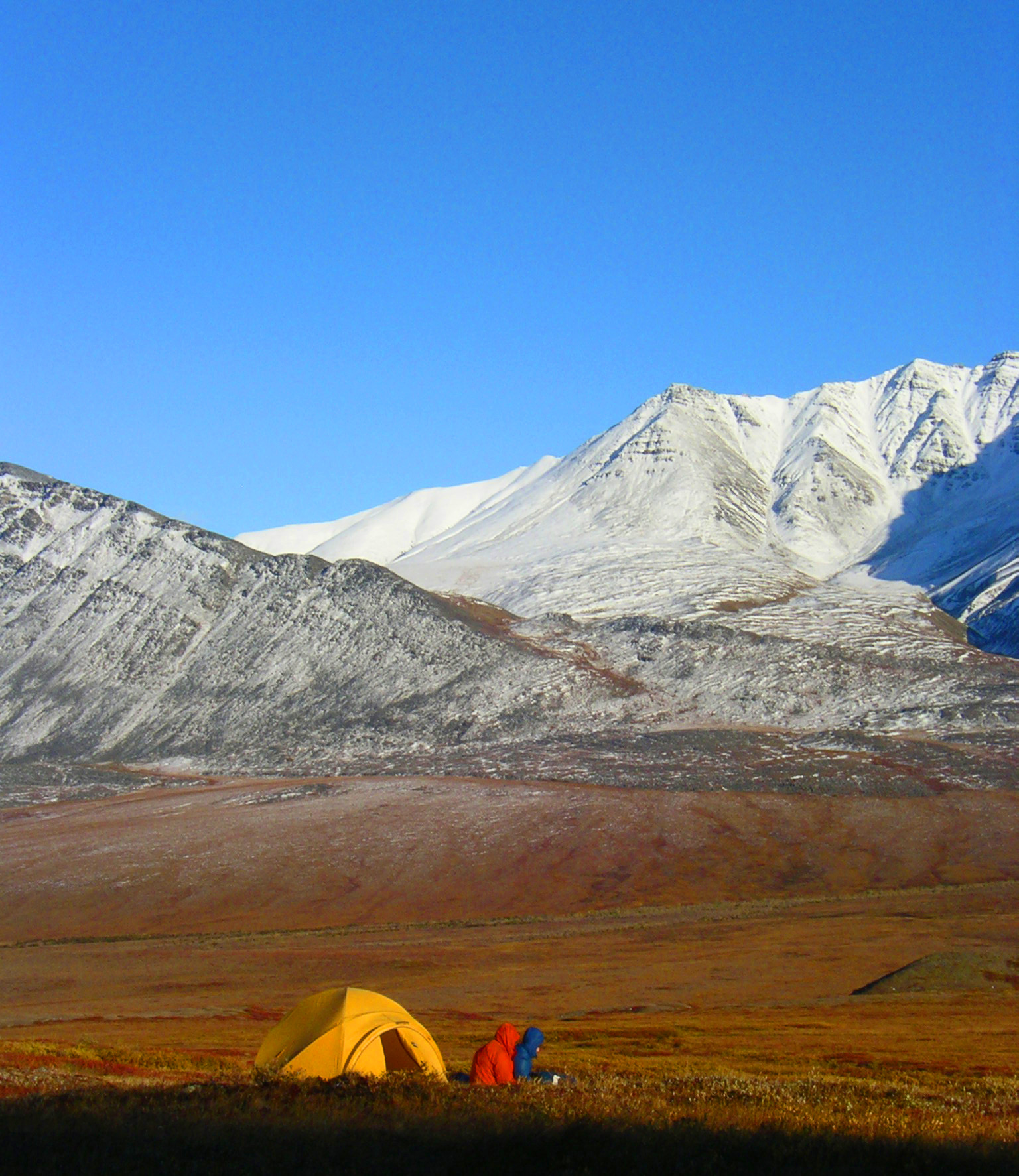
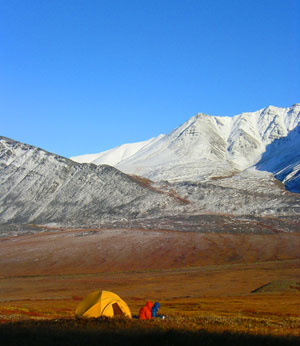 Gate of the Arctic National Park Picture by NPS
Gates of the Arctic National Park lies north of the Arctic Circle, the park and preserve include part of the Central Brooks Range, the northernmost extension of the Rocky Mountains. Often called the greatest wilderness in North America, these NPS units are characterized by jagged peaks, gentle arctic valleys, wild rivers, and many lakes. With adjacent Kobuk Valley National Park and Noatak National Preserve, they form one of the largest park areas in the world.
Gates of the Arctic was proclaimed Gates of the Arctic National Monument December 1, 1978; and established as Gates of the Arctic National Park and Preserve December 2, 1980. A portion of the park was designated a Biosphere Reserve 1984.
Total Acreage of the National park: 7,523,897, Federal: 7,266,102, Nonfederal: 257,795, Wilderness area: 7,052,000, Total Acreage of the National preserve: 948,607, Federal:948,200, Nonfederal:407
Read the rest of this entry »