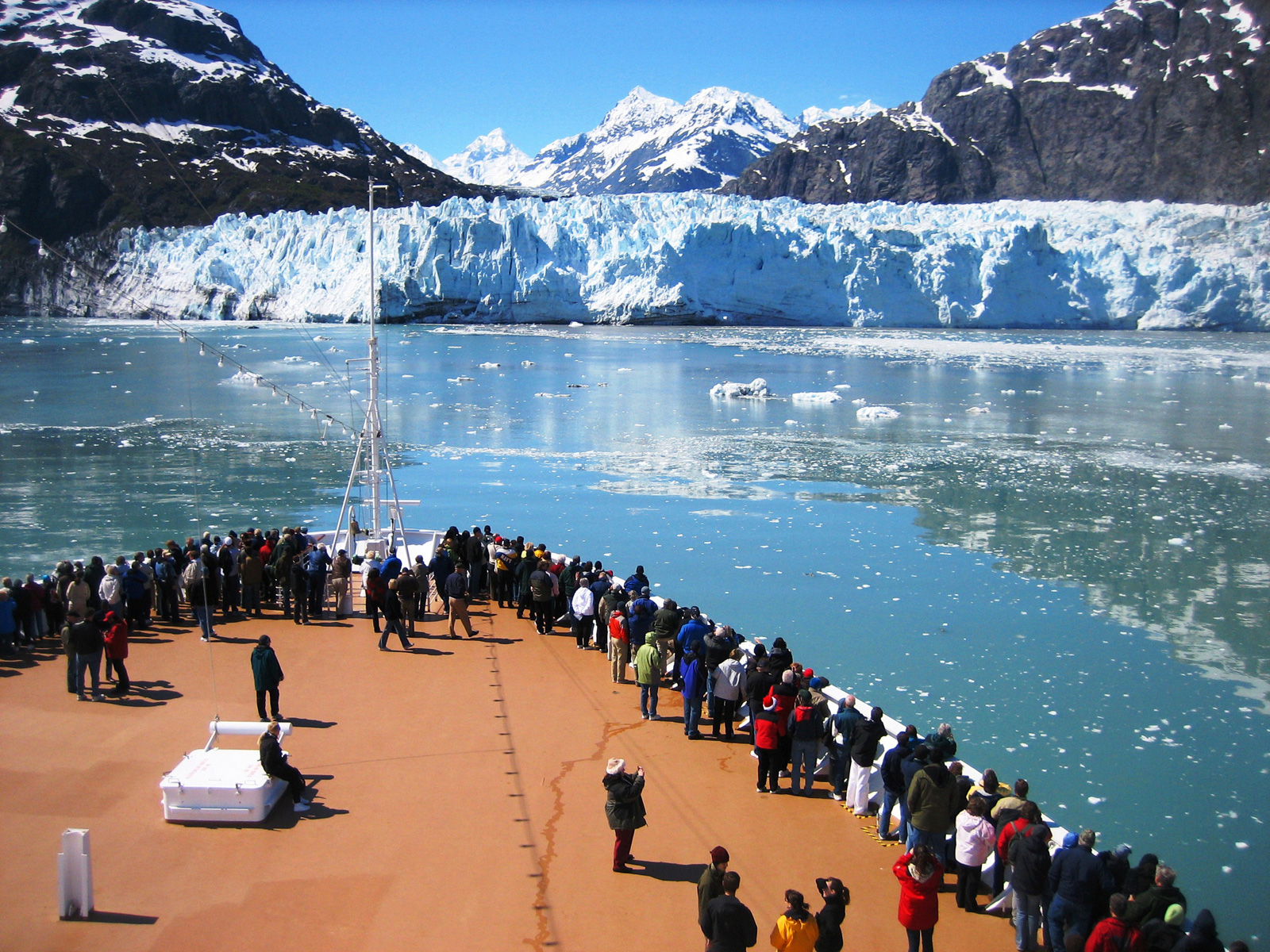
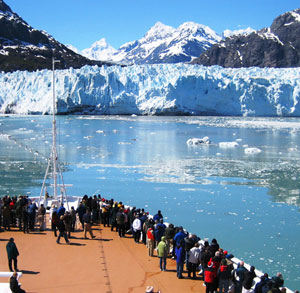
 Margerine Glacier, Glacier Bay NP photo by NPS
Glacier Bay National Park contains great tidewater glaciers, a dramatic range of plant communities from rocky terrain recently covered by ice to lush temperate rain forests, and a large variety of animals, including grizzly bears, mountain goats, whales, seals, and eagles, are found within this park.
Glacier Bay was proclaimed Glacier Bay National Monument on February 26, 1925 and established as Glacier Bay National Park and Preserve on December 2, 1980. Glacier Bay National Park and Preserve was designated a Biosphere Reserve in 1986 and was designated a World Heritage site December 14, 1992.
Read the rest of this entry »
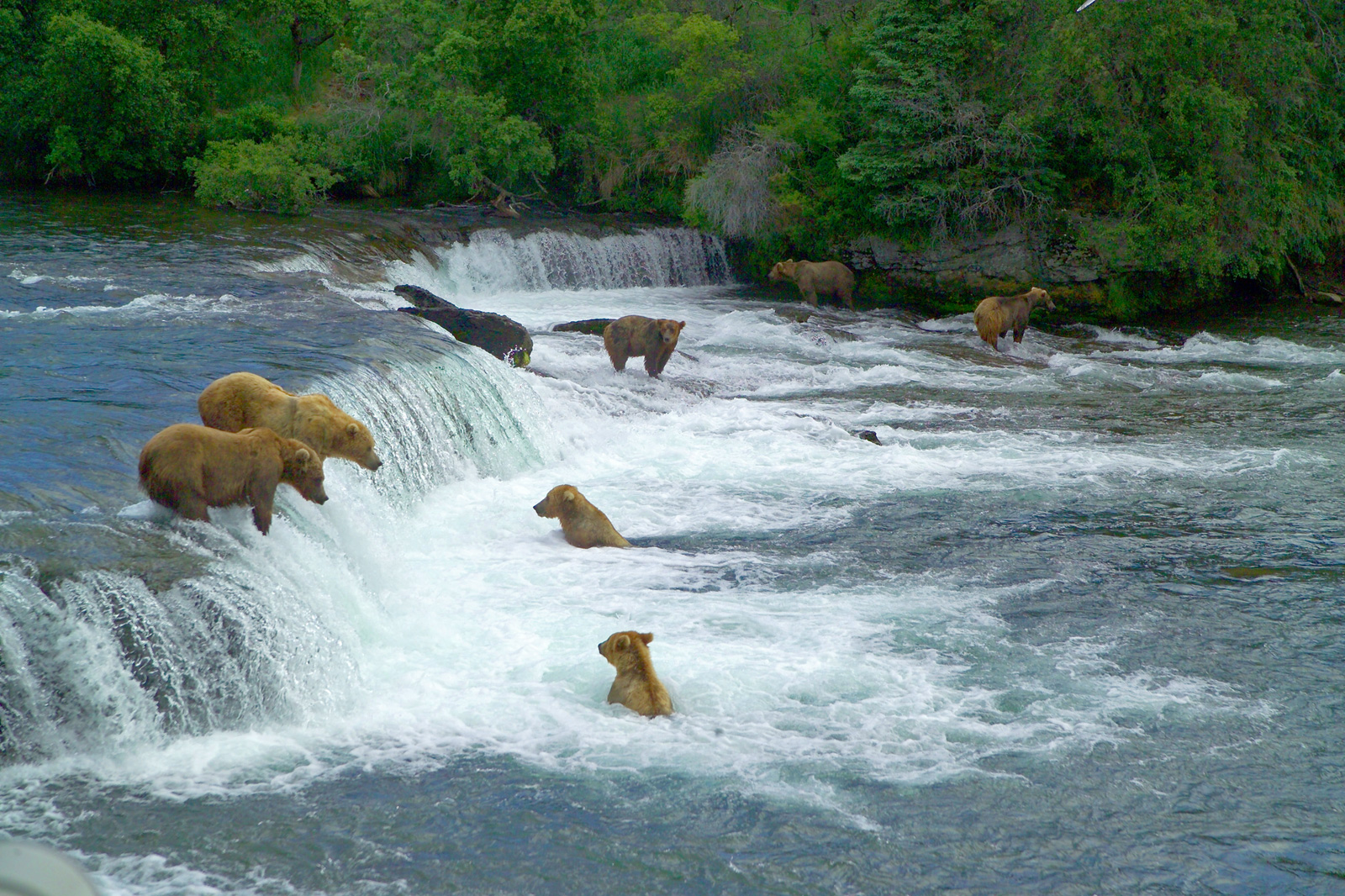
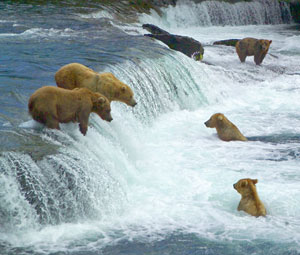 Bears at Brooks Falls Katmai NP Photo by NPS
Katmai National Park is a vast land of: lakes, forests, mountains, and marshlands that abound in wildlife. The Alaska brown bear, the world’s largest carnivore, thrives here, feeding on red salmon that spawn in the lakes and streams. Wild rivers and renowned sport fishing add to the attractions of this subarctic environment. Here, in 1912, Novarupta Volcano erupted violently, forming the ash-filled “Valley of Ten Thousand Smokes” where steam rose from countless fumaroles.
Katmai was proclaimed Katmai National Monument Sept. 24, 1918; and established as Katmai National Park and Preserve December 2, 1980.
Total National Park Acreage: 3,674,529, Federal: 3,611,708, Nonfederal: 62,821, Wilderness area: 3,473,000. Total National Preserve Acreage: 418,699, Federal: 405,432, Nonfederal 13,267.
Read the rest of this entry »
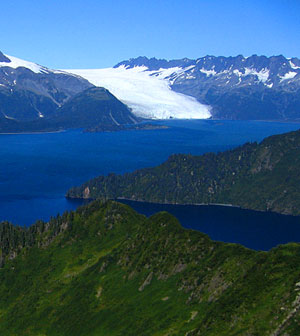 Kenai Fjords National Park Picture by NPS
Kenai Fjords National Park includes one of the four major ice caps in the U.S., the 300-square-mile Harding Icefield, and coastal fjords. Here a rich, varied rain forest is home to tens of thousands of breeding birds, and adjoining marine waters support a multitude of sea lions, sea otters, and seals. The visitor center is in Seward, 10 miles from the park.
Kenai Fjords was proclaimed a national monument December 1, 1978; and established as Kenai Fjords National Park December 2, 1980.
Read the rest of this entry »
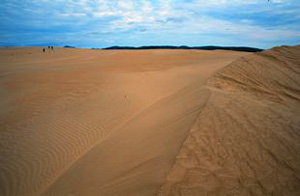 Sand Dunes at Kobuk Valley National Park NPS Photo
Kobuk Valley National Park embraces the central valley of the Kobuk River. The park, located north of the Arctic Circle, includes a blend of biological, geological, and cultural resources. At Kobuk Valley National Park, in the northernmost extent of the boreal forest, a rich array of arctic wildlife can be found, including caribou, grizzly and black bear, wolf, and fox. There are very LIMITED FEDERAL FACILITIES.
Kobuk Valley was made a national monument December 1, 1978; and established as Kobuk National Park December 2, 1980.
Total Acreage:1,750,716; Federal: 1,669,912; Nonfederal:80,803; Wilderness area: 190,000.
Read the rest of this entry »
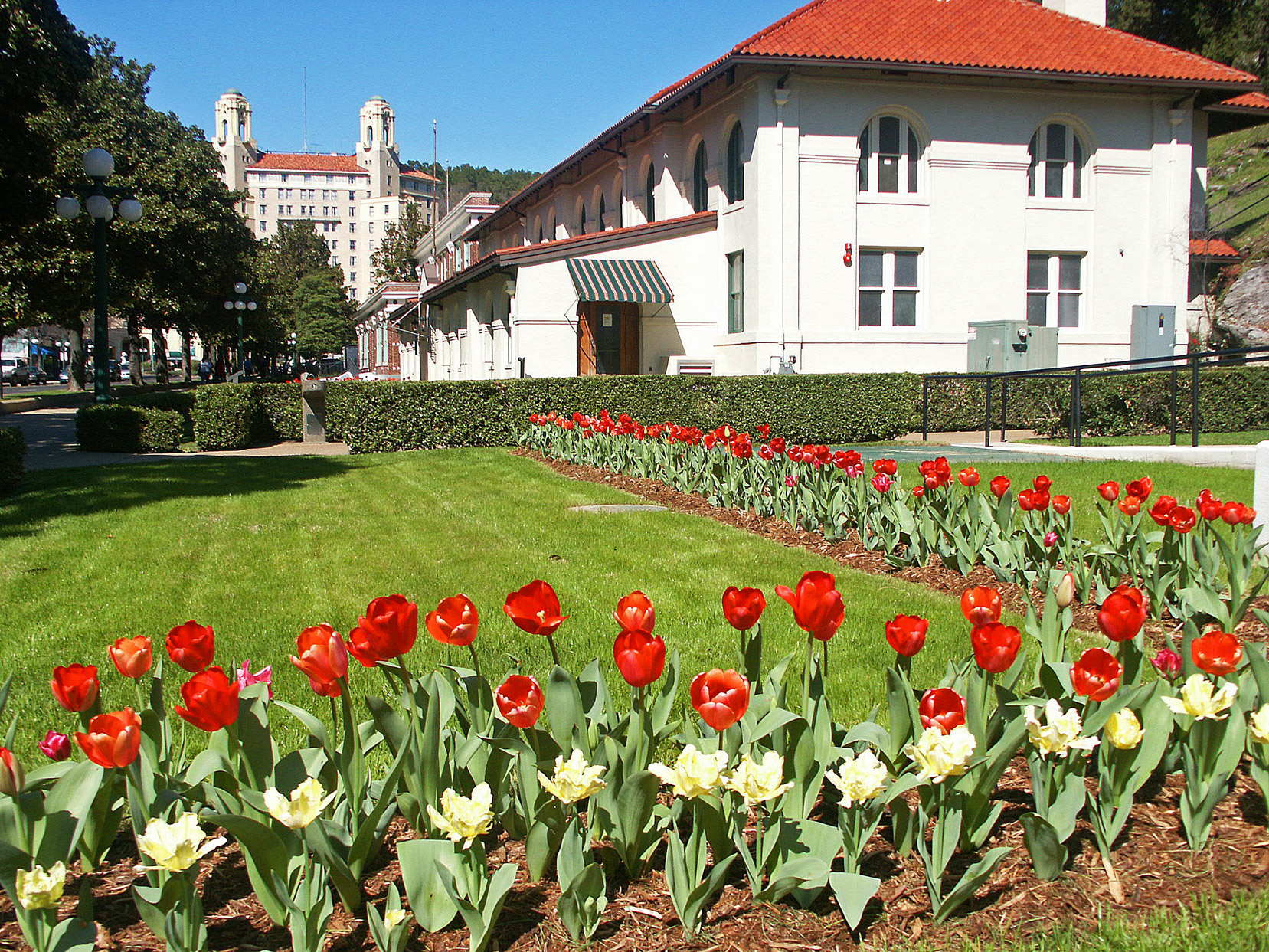
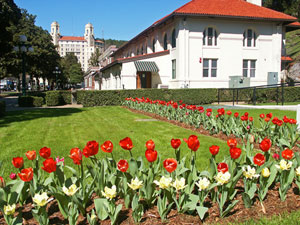 Hale Bathhouse, Hot Springs NP Picture by NPS
Hot Springs National Park has 47 hot springs, numerous hiking trails, and scenic drives that are located in the forested Ouachita Mountains. Eight historically and architecturally significant bathhouses compose Bathhouse Row, a National Historic Landmark District. Thermal bathing continues today.
Hot Springs was established as Hot Springs Reservation April 20, 1832; and dedicated to public use as a park June 16, 1880. The park was redesignated as Hot Springs National Park on March 4,1921.
Read the rest of this entry »